

About
The UNITE4TB Clinical Trial Program
The UNITE4TB clinical trial program is dedicated to accelerating the development of new tuberculosis (TB) drugs and treatment regimens with a strong potential of success in future phase 3 trials. The ultimate goal of the program is to advance therapies that improve outcomes for multidrug-resistant TB (MDR-TB), while also being effective against drug-sensitive TB. Launched in 2023, the UNITE4TB clinical trial program currently includes four trials: DECISION, PARADIGM4TB, ENABLE, and STEP2C.
DECISION
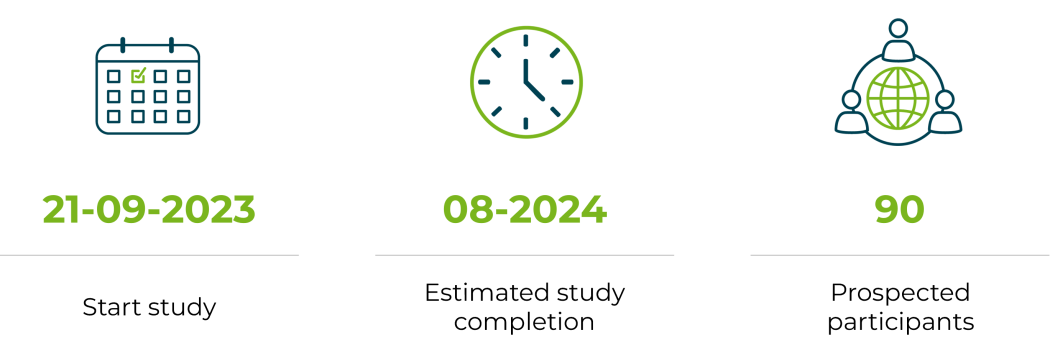
DECISION (BTZ-043 Dose Evaluation in CombInation and SelectION) is a phase 2B, dose-finding study, comparing the safety and efficacy of different doses of BTZ-043 administered with a backbone of bedaquiline and delamanid, in participants with drug-sensitive tuberculosis. The study, which began in September 2023 in South Africa, and included two sites in South Africa and two in Tanzania, has been successfully completed. All 92 participants had their last visit. Each participant was enrolled for 24 weeks. The post-study analysis is expected to be completed by mid-2025. Participants were assigned to receive either one of three BTZ-043-containing regimens or a comparator regimen of bedaquiline, delamanid and moxifloxacin.
The objective of the DECISION study: to find the optimal dose of BTZ-043 to be used in subsequent studies.
PARADIGM4TB
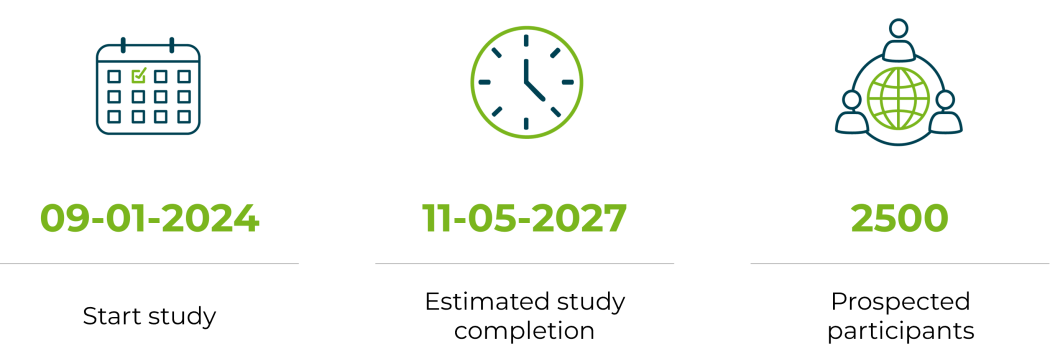
PARADIGM4TB, is a phase 2B/C platform trial that aims to establish which fourth drug (either moxifloxacin, linezolid, or pyrazinamide) can be added as the optimal component to a bedaquiline, delamanid, BTZ-043 or GSK656 regimen. The trial also explores the efficacy of a totally new combination of GSK656 and BTZ-043 together with bedaquiline and delamanid.
PARADIGM4TB is active in approximately 30 trial sites on four continents (Europe, Asia, Africa and South America), with the goal of delivering novel phase 2B/C clinical trials that will accelerate the development of new TB drugs and regimens with a higher probability of success in subsequent phase 3 clinical trials.
As of 25 April 2025, PARADIGM4TB had 295 patients randomized out of 512 screened.
ENABLE
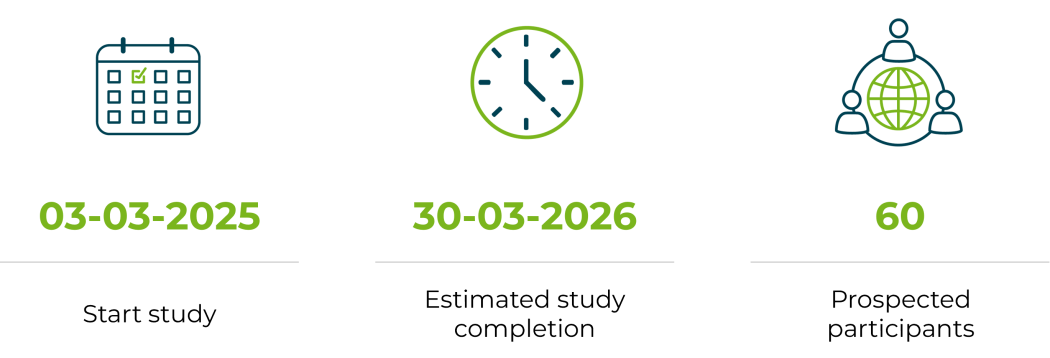
ENABLE is a Phase 2 clinical trial evaluating the early bacterial activity, safety, and tolerability of alpibectir-ethionamide (AlpE) in combination with first-line TB drugs. This is the first time AlpE is being tested in a 14-day early bactericidal activity (EBA) clinical trial in combination with first-line drugs. The goal is to optimize dosing and confirm the safety of the AlpE regimen, contributing to future treatment strategies for TB, including drug-resistant forms of the disease.
The study is being conducted under the collaboration between BioVersys and GSK, with clinical trial implementation led by TASK.
STEP2C
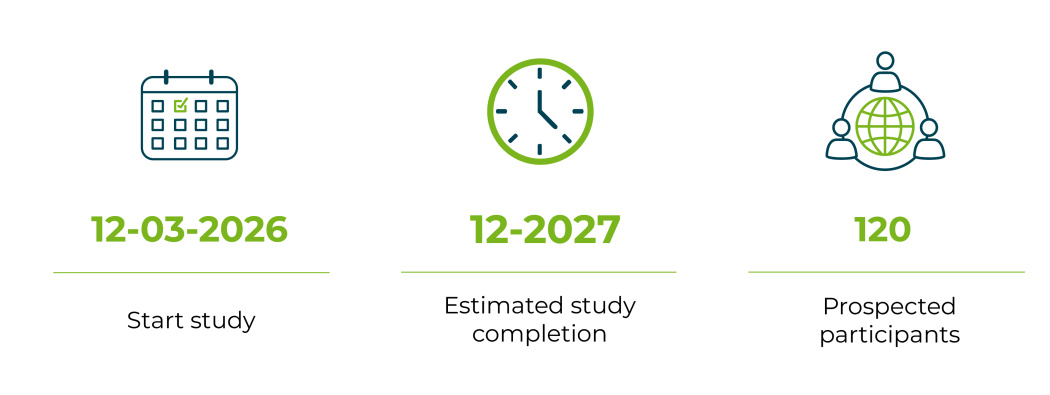
STEP2C is a phase 2B/C platform study that will compare the efficacy and safety of different experimental regimens with a control arm regimen in participants with newly diagnosed, drug-sensitive pulmonary tuberculosis. Stage 3 of the STEP2C study that will be running under the UNITE4TB Consortium, officially launched in March 2026 at eight sites: three in South Africa, three in Tanzania, and one site each in Uganda and Mozambique.
A total of 120 participants will be enrolled in one of three arms to receive a treatment over 26 weeks, followed by 26 weeks of observation. The treatment is composed of either eight weeks of alpibectir/ethionamide with rifampicin, ethambutol, and pyrazinamid followed by 18 weeks of a fixed-dose combination of HR (arm 5), 26 weeks of a 4-drug combination of BTZ-043, ganfeborole, delpazolid, and pretomanid (arm 6), or the standard of care treatment 2HRZE/4HR (arm 7). The study is planned to be completed by December 2027.
The objective of the STEP2C stage 3 study is to evaluate the activity over the first eight weeks (arm 5) or 12 weeks (arm 6) compared to the control arm, as assessed by the rate of decline of bacterial load measured by MGIT culture time to positivity (TTP).